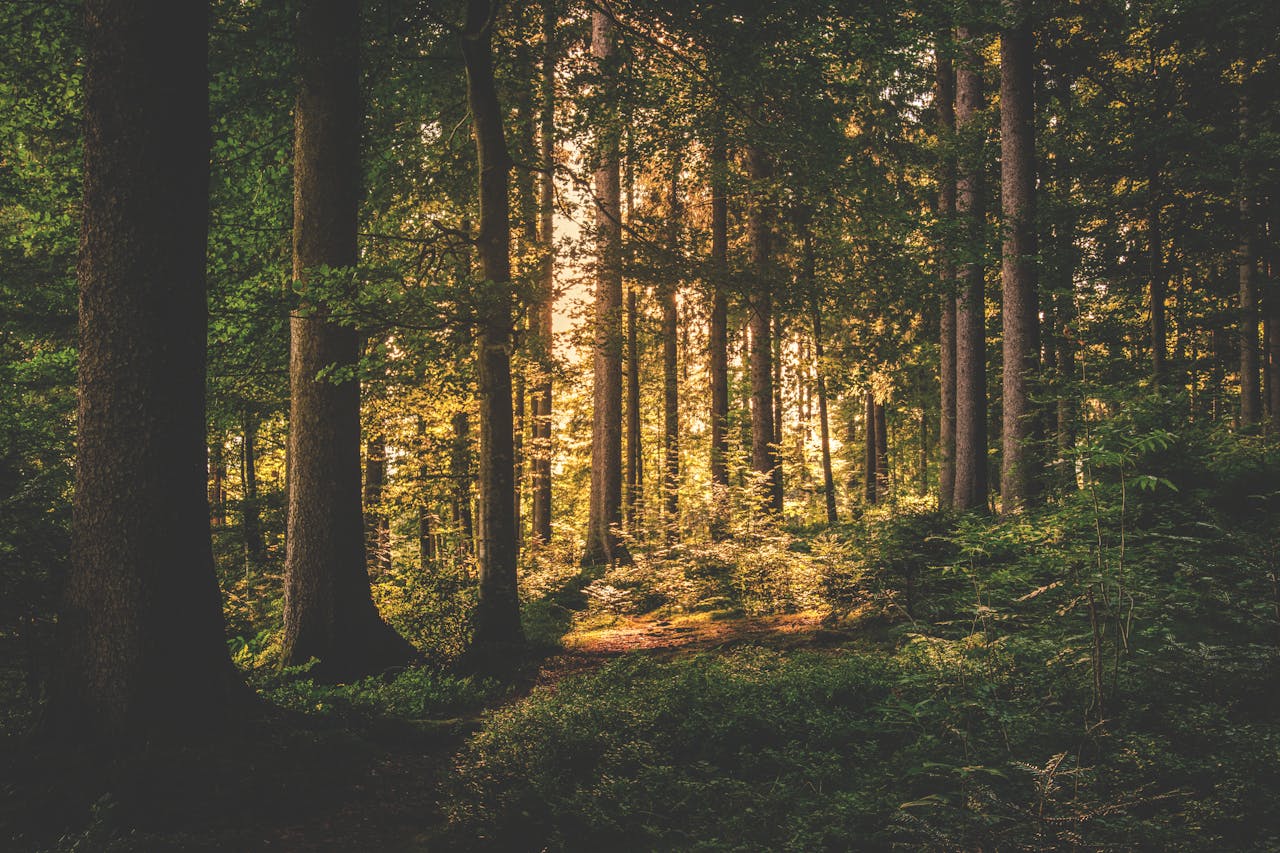
Forests are much more than just collections of trees; they are the lungs of our planet, vibrant ecosystems, and crucial resources that sustain life on Earth. From the towering redwoods of California to the dense rainforests of the Amazon, these incredible natural wonders play an indispensable role in maintaining ecological balance and supporting human well-being. Yet, they face unprecedented threats that demand our immediate attention and concerted action. Understanding why forests are so vital and what steps we can take to protect them is key to securing a healthy future for all.
Why Forests Are Indispensable for Life on Earth
The importance of forests extends across numerous critical functions:
1. The Lungs of Our Planet: Oxygen and Air Quality
Perhaps their most well-known role, forests are primary producers of oxygen through photosynthesis. They absorb vast amounts of carbon dioxide, a major greenhouse gas, and release the oxygen we breathe. This process not only purifies our air but also plays a critical role in regulating the Earth's climate.
2. Biodiversity Hotspots
Forests are home to an extraordinary array of life. They house over 80% of the world's terrestrial biodiversity, including countless species of plants, animals, fungi, and microorganisms. Many of these species are unique to forest ecosystems and play vital roles in their respective food webs. Losing forests means losing irreplaceable species, often before they've even been discovered.
3. Climate Regulation and Carbon Sinks
Beyond producing oxygen, forests act as massive carbon sinks, absorbing and storing carbon from the atmosphere in their trees, soil, and undergrowth. This sequestration of carbon is fundamental in mitigating climate change. When forests are destroyed, this stored carbon is released back into the atmosphere, accelerating global warming.
4. Water Cycle Regulation
Forests are integral to the global water cycle. They help regulate rainfall, prevent soil erosion, and filter water, ensuring fresh water supplies for communities downstream. Their root systems stabilize soil, preventing landslides and floods, while their canopy reduces the impact of heavy rains.
5. Supporting Human Livelihoods and Well-being
Millions of people worldwide depend directly on forests for their livelihoods, providing food, shelter, medicine, and fuel. Forests also offer immense recreational and spiritual value, contributing to human mental and physical well-being through activities like hiking, birdwatching, and simply being in nature.
Major Threats Endangering Our Forests
Despite their critical importance, forests globally are under immense pressure:
1. Deforestation for Agriculture and Logging
The conversion of forest land for agriculture, especially for livestock grazing and monoculture crops like palm oil and soy, is the leading cause of deforestation. Illegal and unsustainable logging practices also contribute significantly to forest loss, driven by demand for timber and paper products.
2. Forest Fires
Increasingly frequent and intense forest fires, often exacerbated by climate change and human activity, devastate vast tracts of forest every year. These fires not only destroy ecosystems but also release enormous amounts of stored carbon back into the atmosphere.
3. Climate Change Impacts
Beyond contributing to fires, climate change itself directly threatens forests through altered precipitation patterns, increased pest outbreaks, and longer drought periods. This weakens forest resilience and makes them more susceptible to other threats.
4. Urbanization and Infrastructure Development
As human populations grow, forests are cleared to make way for cities, roads, and other infrastructure, further fragmenting habitats and reducing forest cover.
What We Can Do to Help Save Forests
Saving our forests requires a multi-faceted approach, involving individuals, communities, governments, and industries. Here are actionable steps we can all take:
1. Make Sustainable Consumer Choices
Look for Certifications: When buying wood or paper products, opt for those with certifications like the Forest Stewardship Council (FSC) label, which ensures responsible forest management.
Reduce, Reuse, Recycle: Minimize your paper and wood consumption. Choose digital alternatives where possible, reuse items, and recycle diligently.
Rethink Your Diet: A significant driver of deforestation is agricultural expansion for meat and dairy production. Reducing your consumption of these products can lessen demand on forest lands.
2. Support Conservation Efforts
Donate to or volunteer with reputable organizations dedicated to forest conservation and reforestation. These groups work on the ground to protect existing forests and restore degraded areas.
3. Plant Trees Responsibly
Participate in local tree-planting initiatives, ensuring that native species are planted in appropriate locations. Tree planting should be part of a broader ecological restoration plan, not just random planting.
4. Advocate for Stronger Policies
Engage with your elected officials to support policies that protect forests, combat illegal logging, and promote sustainable land use practices. Your voice can make a difference in national and international conservation efforts.
5. Educate Yourself and Others
Learn more about the issues facing forests and share that knowledge with friends, family, and your community. Awareness is the first step towards change.
Conclusion: Our Collective Responsibility to Save Forest Ecosystems
The health of our forests is inextricably linked to the health of our planet and humanity. They provide essential services that no technology can fully replicate, from the air we breathe to the stability of our climate. While the challenges are significant, our capacity to make a positive impact is even greater. By making conscious choices in our daily lives, supporting dedicated conservation efforts, and advocating for change, we can all contribute to safeguarding these invaluable ecosystems for current and future generations. Let us remember that to save forests is to save ourselves.